May 7, 2026
In today’s technology-driven world, ensuring a home’s electrical system can handle increasing demand is essential. From smart devices to high-powered appliances, modern living depends on a reliable and safe electrical infrastructure. When a system begins to fall behind, an upgraded electrical panel becomes a practical step toward maintaining performance and safety. Outdated panels can introduce risks, reduce efficiency, and limit a home’s ability to support new technology. Understanding the warning signs, benefits, and process behind an electrical panel upgrade helps homeowners make informed decisions about their electrical systems.
Understand What an Electrical Panel Does
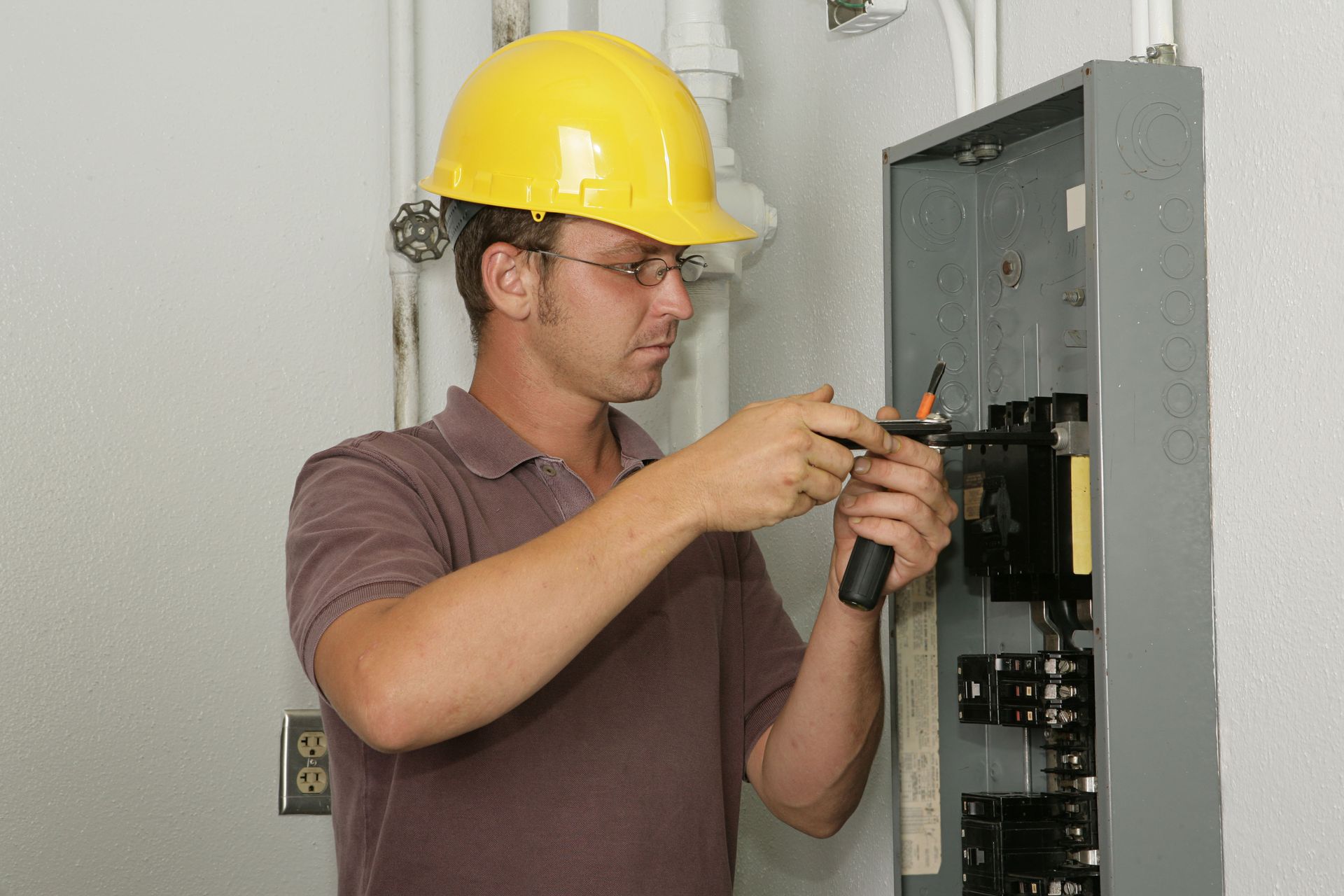
An electrical panel, often called a breaker box, serves as the central hub that distributes electricity throughout a home. It directs power to individual circuits, ensuring that each room and appliance receives the proper amount of electricity. Without a properly functioning panel, consistent and safe power distribution would not be possible.
Modern households rely heavily on electricity, making the panel more important than ever. It not only supports daily convenience but also plays a critical role in protecting against hazards like overloads or short circuits. When the system becomes outdated, an electrical panel upgrade may be necessary to maintain safe and efficient operation.
Recognize How Panels Support Modern Living
Electrical panels manage the flow of power and prevent circuits from becoming overloaded. As homes add more electronics, the demand on these systems continues to grow. Devices such as HVAC systems, kitchen appliances, and home office equipment all require steady electrical output.
Older panels were not designed for today’s energy needs. As a result, they may struggle to keep up, leading to performance issues and potential risks. Upgrading ensures that a home can safely support modern electrical demands while maintaining consistent power distribution.
Identify Common Panel Types and Components
Several types of panels are used in residential properties, including main breaker panels, main lug panels, and subpanels. Main breaker panels are the most common and allow homeowners to shut off power to the entire house quickly. Subpanels are often added to distribute electricity to specific areas more efficiently.
Inside each panel are key components such as breakers, bus bars, and wiring. Breakers shut off power when circuits are overloaded, preventing damage and reducing fire risks. These elements work together to maintain system safety. When these components wear out or become outdated, an electrical panel upgrade can restore proper function.
Detect Signs That Indicate an Upgrade
An aging panel often shows clear warning signs that should not be ignored. Frequent breaker trips are one of the most common indicators. This usually means the system is overloaded and unable to meet demand. Similarly, flickering or dimming lights can point to uneven power distribution.
Other signs include buzzing sounds, rust, or visible damage to the panel. These issues suggest internal deterioration that may compromise safety. Homes that rely heavily on extension cords may also lack sufficient circuits, signaling the need for an electrical panel upgrade to improve accessibility and reduce risk.
Evaluate Increased Electrical Demand
Today's homes consume far more electricity than in previous decades. According to The Spruce, modern households typically rely on 200-amp panels, and in some cases, 400-amp panels are needed. If a 100-amp panel can no longer support the electrical load, replacing it becomes necessary to maintain proper function.
This shift highlights why an upgraded electrical panel is often essential for older homes. Without sufficient capacity, systems can become strained, leading to inefficiency and potential hazards. Upgrading ensures that the electrical system can handle both current and future energy needs.
Reduce Risks Associated With Outdated Panels
Outdated panels can create serious safety concerns. Overloaded circuits may overheat, increasing the likelihood of electrical fires. Older systems may also lack modern safety features designed to prevent faults and protect appliances.
In addition, aging panels may not comply with current electrical codes. This can complicate home improvements or inspections. Completing an electrical panel upgrade helps reduce these risks while aligning the system with modern safety standards.
Gain Benefits From Modern Panels
Modern electrical panels offer improved safety, efficiency, and reliability. They are designed to handle higher electrical loads and include advanced features that reduce the risk of overloads and short circuits. This makes them a valuable investment for homeowners seeking long-term performance.
Another benefit is compatibility with newer technologies. Updated panels can support energy-efficient appliances, smart home systems, and future expansions. By completing an electrical panel upgrade, homeowners can enhance both functionality and peace of mind.
Address Common Warning Signs Promptly
Ignoring early warning signs can lead to more significant problems over time. For example, frequent breaker trips may seem like a minor inconvenience but often indicate deeper system limitations. Similarly, unusual noises or visible wear should be evaluated immediately.
Prompt action helps prevent costly repairs and improves overall safety. A professional inspection can determine whether an upgraded electrical panel is necessary and identify any underlying issues that need attention.
Plan the Electrical Panel Upgrade Process
The upgrade process begins with a professional assessment. An electrician evaluates the current system, identifies limitations, and recommends an appropriate panel size. This step ensures that the new panel meets both present and future needs.
Planning also involves selecting the right panel type and ensuring compatibility with existing wiring. Proper preparation helps streamline the installation process and reduces the likelihood of unexpected complications.
Estimate Costs and Installation Timeline
The cost of an electrical panel upgrade varies depending on factors such as panel size, installation complexity, and additional components. While the upfront investment may seem significant, it often leads to long-term savings through improved efficiency and reduced maintenance.
Installation typically takes several hours to complete, though more complex projects may require additional time. Working with experienced professionals ensures that the process is completed safely and in accordance with local regulations.
Confirm Safety After Installation
After installation, thorough safety checks are essential. Electricians test the system to confirm proper operation, verify load capacity, and ensure all circuits function correctly. These evaluations help confirm that the electrical panel upgrade was successful.
Final inspections also ensure compliance with local codes. This step is critical for maintaining safety and avoiding potential issues in the future.
Choose the Right Panel for Your Home
Selecting the right panel involves evaluating a home’s electrical needs. This includes considering the number of appliances, future upgrades, and overall energy usage. A properly sized panel ensures reliable performance and reduces the risk of overload.
Modern panels offer a range of options, including smart features and energy monitoring capabilities. Choosing a panel that aligns with long-term needs helps protect the investment and supports evolving technology.
Hire a Qualified Electrical Professional
Working with a certified electrician is essential for any upgraded electrical panel. Professionals bring the expertise needed to handle complex systems and ensure compliance with safety standards. Their experience helps prevent errors that could lead to costly or dangerous outcomes.
Homeowners should ask about qualifications, experience, and project timelines before hiring. Reviewing references and understanding contracts also helps ensure a smooth and successful upgrade process.
Ensure Compliance With Local Codes
Electrical work must meet local regulations to ensure safety and legality. Professional electricians understand these requirements and handle permits, inspections, and code compliance throughout the project.
Adhering to regulations not only protects the home but also simplifies future renovations or inspections. A properly completed electrical panel upgrade ensures that the system meets all necessary standards.
An upgraded electrical panel offers meaningful improvements in safety, efficiency, and reliability. It prepares a home to handle modern electrical demands while reducing risks associated with outdated systems. By recognizing warning signs and planning accordingly, homeowners can protect their property and enhance daily comfort.
If your home is showing signs of electrical strain or outdated infrastructure, now is the time to take action. At Hero Electric, we approach every project with careful attention and a commitment to dependable results. Contact us today to schedule an evaluation and move forward with a safer, more efficient electrical system.